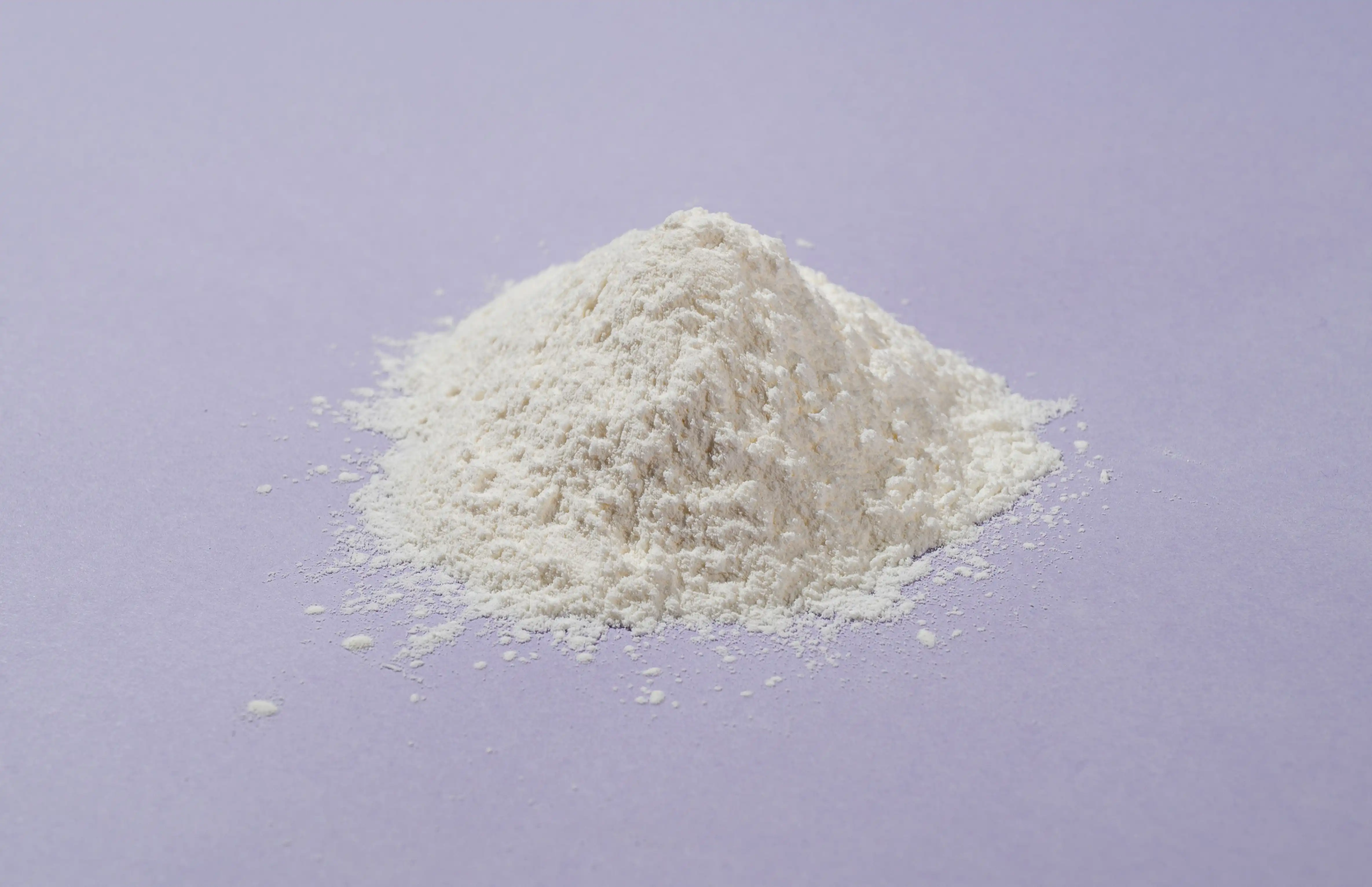
When we think about medicine, we usually only think about the main ingredient, the part that treats the illness. But most medicines also have other ingredients called excipients, which help make the medicine work properly. Even though people often call these ingredients ‘inactive,’ they are actually very important.
What are Excipients?
Excipients are ingredients added to medicines that don’t treat illness themselves. They have other important jobs, like helping make the medicine, protecting it from breaking down, helping the body absorb it better, improving the taste, or controlling how fast the main ingredient is released. Common excipients include fillers, binders, lubricants, disintegrants, and coatings. Each of these has specific functions, and their effectiveness can be heavily influenced by their particle size.
Why is Particle Size important?
Particle size refers to the dimensions of individual particles in a powder or granular material. In pharmaceutical manufacturing, this characteristic plays a central role in determining how excipients behave during formulation, processing, and even after the product reaches the patient.
How particle size affects excipient performance
Flow Properties
The size of the particles affects how well powders flow. Very fine powders often don’t flow well because they stick together. This can cause problems when making tablets, since smooth and steady flow is needed. Bigger particles usually flow more easily, making the process faster and helping keep tablet size and content more consistent.
Mixing and Evenness
To make sure each tablet or capsule has the right amount of a medicine, everything needs to be mixed evenly. If the excipients are a very different size from the main drug particles, they can separate during mixing. This can lead to uneven amounts of medicine in each tablet. When the particles are more similar in size, the mix is more even, which helps with accurate dosing.
Dissolution Rate
For drugs that don’t dissolve easily, how fast they break down in the body is very important. Particle size matters because it changes how much surface area is available for the drug to dissolve. Smaller particles (like in certain excipients) can help tablets break apart faster, which helps the drug be released more quickly and work better.
Stability and Shelf Life
Some excipients don’t handle moisture or heat well, and particle size can affect this. Smaller particles can soak up moisture more easily, which may cause the medicine to go bad over time. Controlling particle size helps keep the medicine stable and lasting longer on the shelf.
Ways to measure and manage particle size
To make sure our products are always high quality, we carefully check and control the size of particles using different methods. Some common ways to do this include sieving, laser diffraction, microscopes, and dynamic light scattering. Each method works best for certain types of powders and gives different levels of accuracy. It’s not just the average particle size that matters; the range of sizes—called particle size distribution—is also important. A mix with many different-sized particles can act very differently from one where all the particles are nearly the same size, even if the average size is similar.
Conclusion
In the world of medicine, small details can have a big impact, and particle size is the most apt example. Even though excipients are called inactive ingredients, their physical traits, like how big or small the particles are, play a big role in how well a medicine works. The right particle size helps make the manufacturing process smoother and ensures the medicine releases properly in the body. By controlling particle size, drug makers help make sure medicines are safe, work well, and can be trusted.
Reviewed by Prachin Pharmachem Technical Team
This article is intended for procurement, QA, formulation and technical evaluation teams. Product suitability should be confirmed through formulation trials, specification review and regulatory assessment before commercial use.