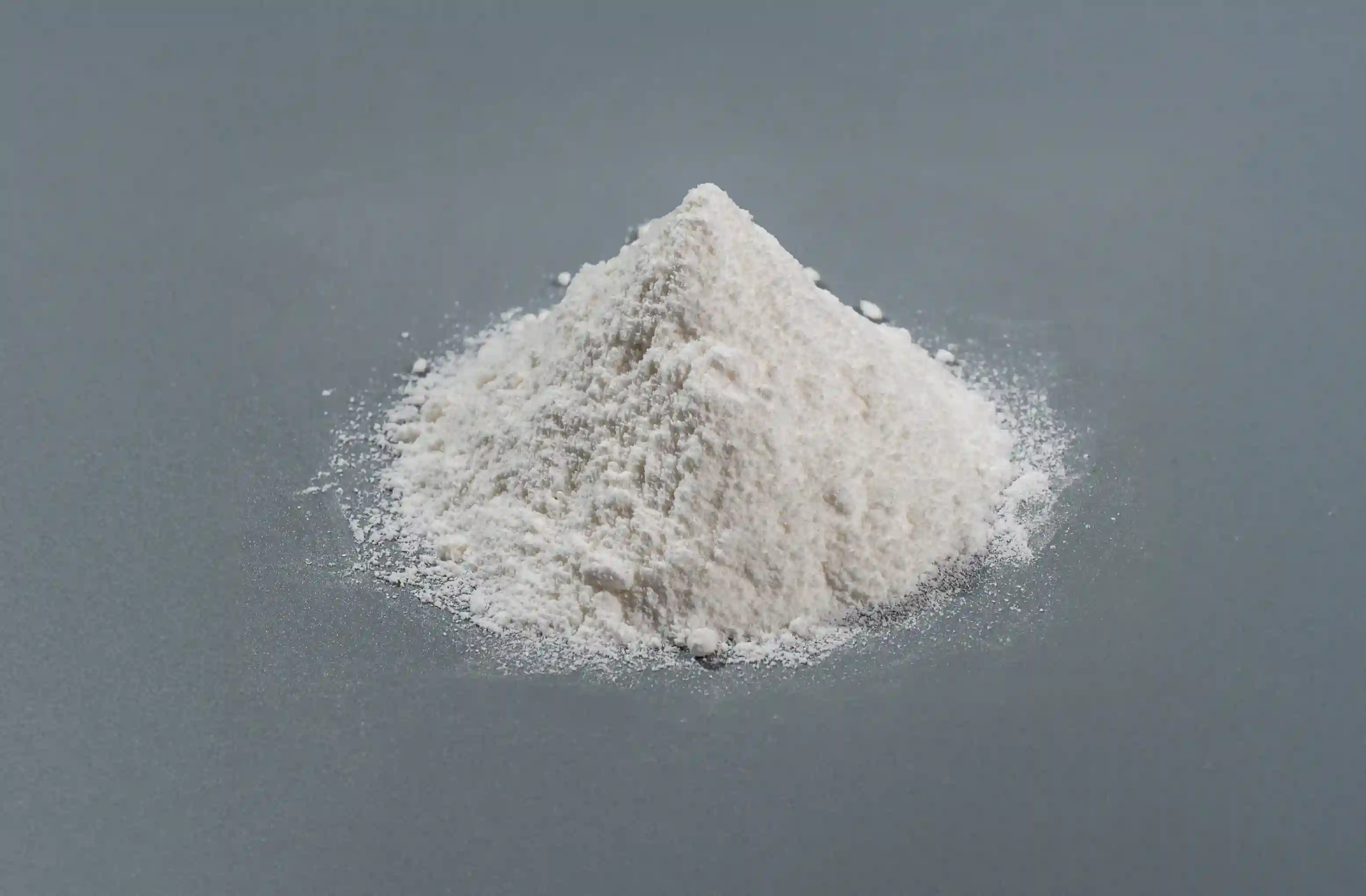
Microcrystalline cellulose (MCC) is one of the most commonly used and trusted ingredients in many industries because it is versatile, stable, and naturally derived. It comes from purified wood pulp that is processed to break down cellulose into a fine, white, odourless powder. Even though MCC looks simple, it plays an important role in improving the quality and performance of many products we use daily. Its safety, biodegradability, and helpful physical qualities make it an essential material in today’s manufacturing.
In the pharmaceutical industry, MCC is seen as a top-quality ingredient because it binds tablets well and can be easily compressed. It is commonly used as a binder and filler in tablets and capsules, helping them hold their shape while also breaking apart correctly once swallowed. This balance is important for making sure the medicine works as it should. MCC has even-sized particles, flows smoothly during manufacturing, and mixes well with many other ingredients, which helps companies make consistent, high-quality medicines. Because it is so reliable, MCC is used in many types of products, from everyday over-the-counter tablets to prescription drugs.
Beyond pharmaceuticals, MCC has carved out a significant role in the food industry due to its ability to mimic fat, stabilize formulations, and improve texture. As a bulking agent and fat replacer, MCC helps create creamy, smooth textures in low-fat or reduced-calorie foods such as ice cream, salad dressings, baked goods, and dairy products. It enhances mouthfeel, prevents ingredient separation, and contributes to overall product stability. Because MCC is non-digestible and contributes no calories, it supports the growing demand for healthier food options without compromising taste or quality.
The cosmetics and personal care sectors also benefit greatly from MCC’s unique properties. It is commonly used in pressed powders, foundations, creams, and lotions to improve texture, enhance absorbency, and prevent clumping. MCC delivers a silky, lightweight feel that enhances product spread ability and comfort on the skin. Its natural, plant-derived origin aligns well with the rising consumer preference for clean, sustainable beauty products, making it a popular choice among formulators seeking safe and environmentally friendly ingredients.
Why Choose Us:
Prachin Pharmachem offers microcrystalline cellulose (MCC) in two forms - bulk dried and spray dried, so customers can choose the right option for their specific applications. Their bulk dried MCC is made through a straightforward drying and milling process, resulting in a reliable and cost-effective grade. This form is especially useful in products where ultra-fine particles or highly controlled flow are not required. It works well as a bulking agent, stabilizer, and texture enhancer in food items like baked goods, dairy products, and low-fat formulations. In nutraceuticals, it is commonly used as a filler for tablets and capsules, offering good blending properties at an affordable cost. Bulk dried MCC also fits well in basic cosmetic formulations where it can help improve thickness, absorbency, and overall product texture.
Prachin Pharmachem’s spray dried MCC is made using a more advanced process where the MCC slurry is sprayed into hot air, forming very fine and uniform particles. This makes it flow easily, compress well, and perform consistently, which is especially important for pharmaceutical tablet production. In tablets and capsules, spray dried MCC helps ensure even mixing with other ingredients, strong tablet formation, and reliable disintegration once consumed. Beyond pharmaceuticals, it can also be used in high-quality food and nutraceutical products where smooth texture and uniformity are important. While it is slightly more premium than bulk dried MCC, its excellent performance makes it ideal for applications that require precision and consistency.
Our Grades:
- 101: This is the standard MCC grade with small particles. It compresses well, making it ideal for regular tablets made by direct compression or wet granulation. It helps tablets hold together firmly.
- 102: Slightly larger particles (around 90–100 µm) give MCCP 102 better flow than 101. It’s great for high-speed tablet production because it moves smoothly through machines, ensuring consistency and efficiency.
- 112: Similar to 102 but with lower moisture content. This makes it perfect for medicines that are sensitive to water, helping keep the product stable and extending shelf life.
- 200: A coarser grade with larger particles (about 180 µm) and better flow. It’s useful for capsules or products where the powder or granules need to flow freely without clogging equipment.
- 302: Offers good flow and higher bulk density, making it suitable for high-speed tablet production and heavier or denser tablets. It helps maintain uniformity and keeps production fast and smooth.
- 105: The finest particle grade, excellent for compressibility and smooth texture. It’s used in chewable tablets, dispersible tablets, or when mixing with coarse or crystalline ingredients.
In conclusion, our wide range of MCCP grades - from 101 to 105, 112, 200, and 302; ensures that manufacturers can find the perfect fit for their specific applications, whether in pharmaceuticals, nutraceuticals, or food products. Each grade offers unique properties such as particle size, flowability, compressibility, and moisture content, allowing for precise formulation and consistent performance. By providing both bulk dried and spray dried options, Prachin supports diverse manufacturing needs, from simple tablet production to high-speed, high-precision processes.
Reviewed by Prachin Pharmachem Technical Team
This article is intended for procurement, QA, formulation and technical evaluation teams. Product suitability should be confirmed through formulation trials, specification review and regulatory assessment before commercial use.