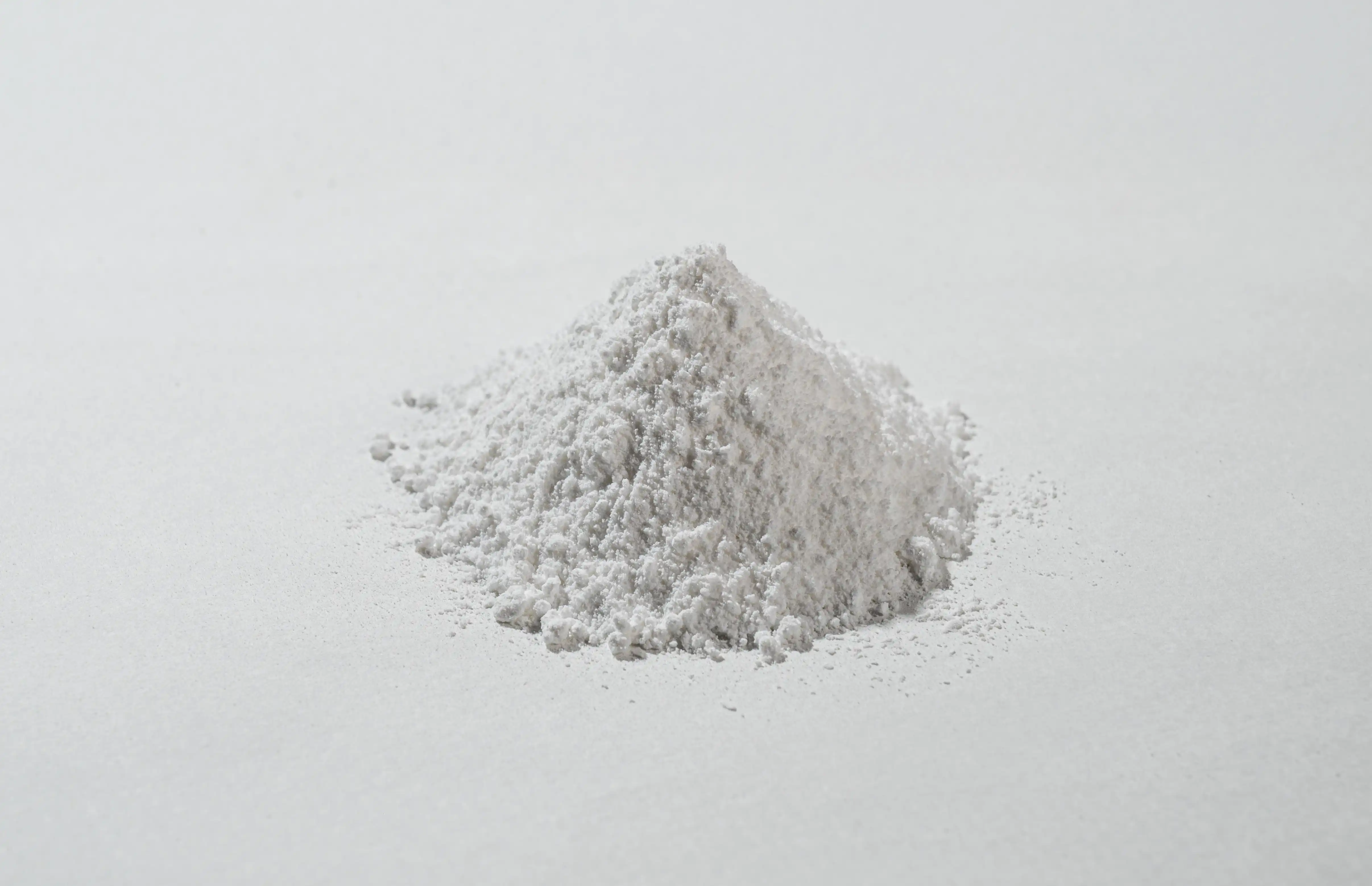
Magnesium stearate is a common ingredient in medicines that many people overlook. Even though it’s often just a small part of a tablet, it plays an important role in how modern medications are made. Commonly known as a lubricant, magnesium stearate is typically used to prevent ingredients from sticking to equipment during tablet production. But its importance goes far beyond just helping machines run smoothly. This simple ingredient can make a big difference in how stable and effective a tablet is.
At its core, magnesium stearate is a fine, white powder that results from the combination of magnesium with stearic acid, a saturated long-chain fatty acid. It is hydrophobic in nature; meaning it repels water and makes it particularly useful in pharmaceutical applications. This property is central to its function not only as a lubricant but also as a stabilizer that can enhance the shelf life and integrity of tablets under various conditions. One of the key challenges in pharmaceutical formulation is maintaining the physical and chemical stability of a drug over time. Tablets can be affected by things like moisture, heat, and light, which may break down the active ingredients or damage the form of the tablet. This is where Magnesium Stearate proves to be more than a smooth agent used during manufacturing.
Due to its water rippling nature, magnesium stearate acts as a protective barrier around the Active Pharmaceutical Ingredients and excipients within a tablet. This barrier helps to reduce moisture uptake. In essence, Magnesium Stearate serves as a moisture shield, supporting the long-term stability of the medication. Moreover, its role in modulating the dissolution profile of a tablet is noteworthy. Using too much magnesium stearate can slow down how quickly a tablet dissolves, which can be a problem for medicines that need to work fast. But when used in the right amount, it can actually help control how the drug is released in the body, especially in slow-release or long-acting tablets.
One benefit of magnesium stearate that is often missed is how it helps make tablets more consistent. It helps mix the powder ingredients evenly, so each tablet gets the right amount of the active drug. This consistency is very important, not just to meet industry rules, but also to keep patients safe. Even small differences in dose can cause serious problems, especially with strong medicines. In terms of safety, Magnesium Stearate has a well-established record. It is generally recognized as safe by the U.S. Food and Drug Administration and is widely used not only in pharmaceuticals but also in food and cosmetic products.
In summary, magnesium stearate may have originally been used in pharmaceuticals mainly as a simple lubricant, but it has grown into a versatile ingredient that plays a key role in tablet quality and stability. Its moisture-resistant properties, support in even mixing of ingredients, and effect on how a drug is released make it an essential part of modern drug formulation.
Reviewed by Prachin Pharmachem Technical Team
This article is intended for procurement, QA, formulation and technical evaluation teams. Product suitability should be confirmed through formulation trials, specification review and regulatory assessment before commercial use.